
Understanding Walleye Feeding Behavior
Walleyes are opportunistic predators that rely heavily on low-light vision and vibration to locate prey. In Lake Erie, they often feed on baitfish like shad, gobies, and minnows. This diet is one reason why live bait can be extremely effective, especially when fish are pressured or inactive.
However, artificial lures also play a major role in walleye fishing. Many charter captains rely heavily on trolling crankbaits to locate roaming schools across large flats. These lures produce vibration and flash that help walleyes detect them better in crowded water conditions. Deep-diving crankbaits are especially effective for covering water in 15–30 feet of depth while trolling.
The key takeaway is that walleye often respond differently depending on conditions. Some days they prefer the realism of live bait, while other days they aggressively chase lures.
Best Live Bait Options for Lake Erie Walleye
Nightcrawlers and Worm Harnesses

Nightcrawlers are one of the most reliable walleye fishing bait options, especially when fishing during summer months. Many Lake Erie anglers run worm harnesses behind bottom bouncers while drifting or slow trolling.
A typical setup uses a spinner blade, colored beads, and a crawler trailing behind a weight. This presentation keeps the bait close to the bottom where walleye often hold around reefs and drop-offs. On Lake Erie, anglers frequently drift these rigs in 36–45 feet of water near structures like Ruggles Reef.
Minnows and Jigging Techniques

Minnows are another classic bait that closely match the natural forage walleye feed on. Jigging a live minnow near structure is particularly effective during spring and fall.
Anglers often tip a lead-head jig with a minnow, combining the motion of a lure with the scent and realism of live bait. This hybrid approach works well when fish are suspended or holding tight to the bottom.
Leeches and Cold Water Fishing
Leeches are commonly used during cooler water periods or when fish are feeding slowly. Ribbon leeches in particular are popular because their natural swimming motion continues even when the boat is drifting slowly.
The advantage of live bait overall is simple: it looks and smells natural, making it easier to convince neutral fish to bite.
Most Effective Artificial Lures for Walleye
Crankbaits for Trolling
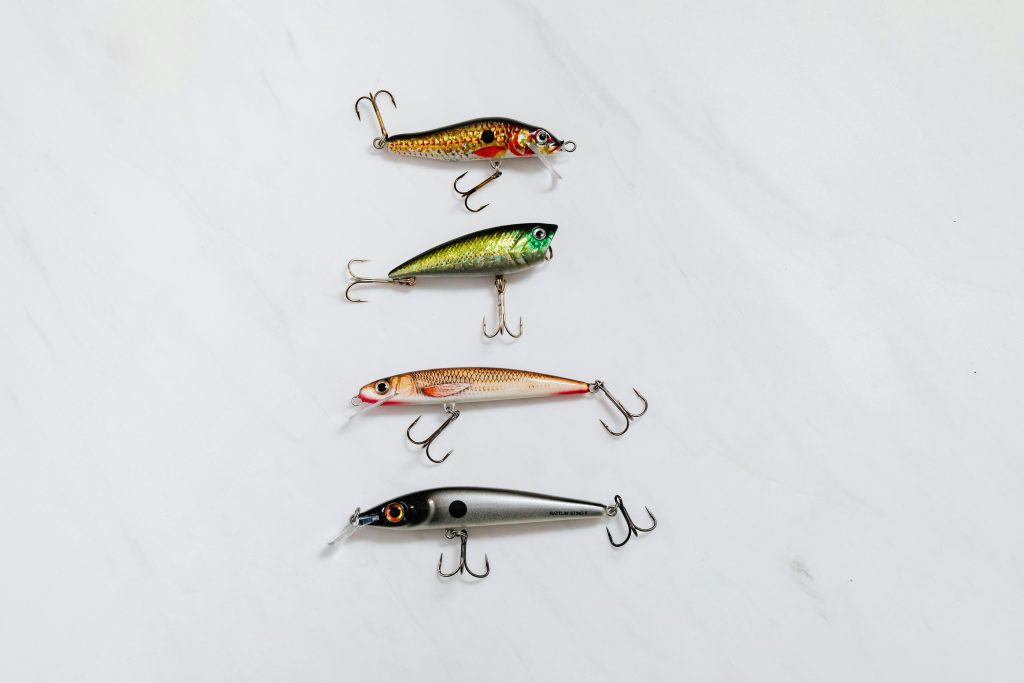
Crankbaits are among the most productive artificial lures for Lake Erie walleye. Popular options include deep divers that run at various depths, allowing anglers to target suspended fish.
Some of the most commonly used models include Bandit deep divers and Rapala-style stickbaits. These lures can reach depths of 15 feet or more and maintain consistent action while trolling.
Crankbaits excel when anglers want to cover water quickly and locate schools of fish.
Jigs and Soft Plastics
Jigs are one of the most versatile artificial lures available. Anglers often pair them with soft plastics or curly-tail grubs to mimic small baitfish.
They work particularly well during spring when walleye move into shallower areas and feed aggressively. Adding subtle rod lifts and pauses can trigger reaction strikes from nearby fish.
Blade Baits and Stickbaits
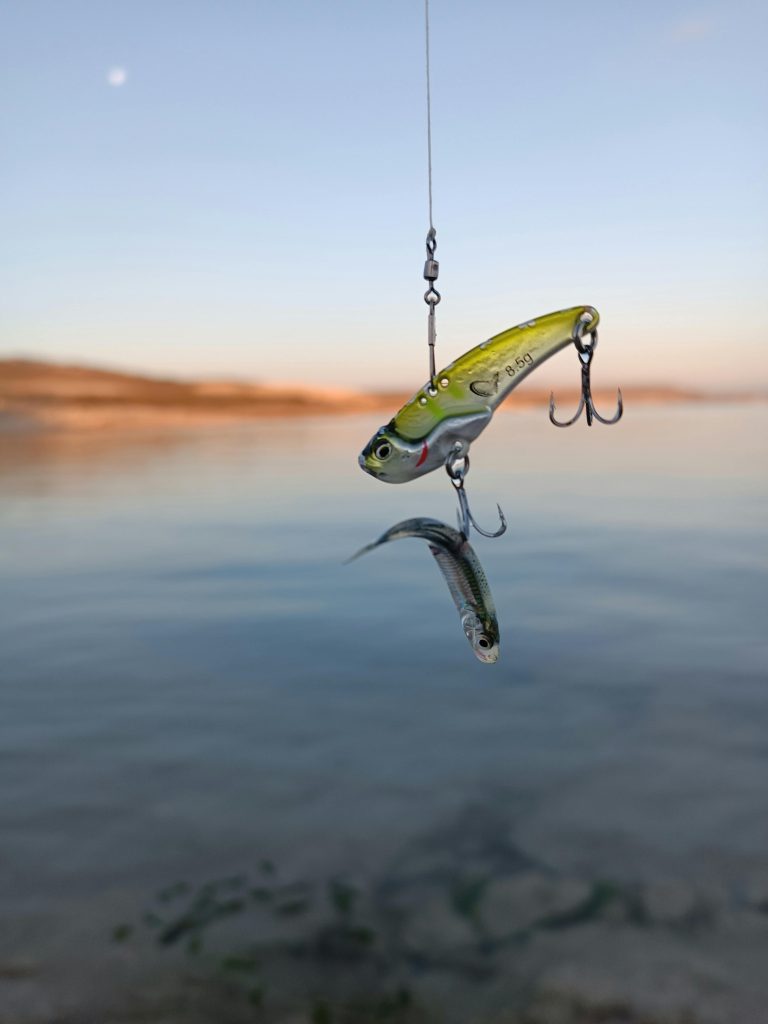
Blade baits are heavy, vibrating lures that perform well in windy conditions and deeper water. These lures flutter on the drop, which often triggers strikes as they fall through the water column.
Stickbaits and jerkbaits are also effective when casting near shoreline structures or creek mouths where walleye hunt baitfish.
When to Use Live Bait vs Lures
Choosing the best walleye fishing bait often comes down to strategy.
Live bait works best when:
- Fish are inactive or pressured
- You are drifting slowly over structure
- Water temperatures are colder
Artificial lures work best when:
- You want to cover large areas quickly
- Fish are actively feeding
- Trolling open water for suspended walleye
Charter captains love to use lures to find fish and live bait to maximize bites. Once you locate a school with crankbaits, switching to a worm harness or jig-and-minnow combination can increase your catch rate.
Another effective tactic is combining presentations. Many anglers run a jig tipped with live bait, which blends the vibration of a lure with the scent of natural bait.
More Fishing Articles
Morning vs Evening Lake Erie Fishing