
If you’re planning a trip for Lake Erie Fishing, one of the most common questions anglers ask is simple: Is it better to fish in the morning or the evening? The answer depends on several factors such as fish behavior, water temperature, boat traffic, and seasonal patterns.
Lake Erie is widely known as one of the best freshwater fisheries in North America, especially for walleye, smallmouth bass, perch, and even northern pike. Because these fish respond strongly to light levels, feeding patterns, and baitfish movement, the time of day you fish can make a big difference in your results.
Why Morning Fishing on Lake Erie Is So Popular
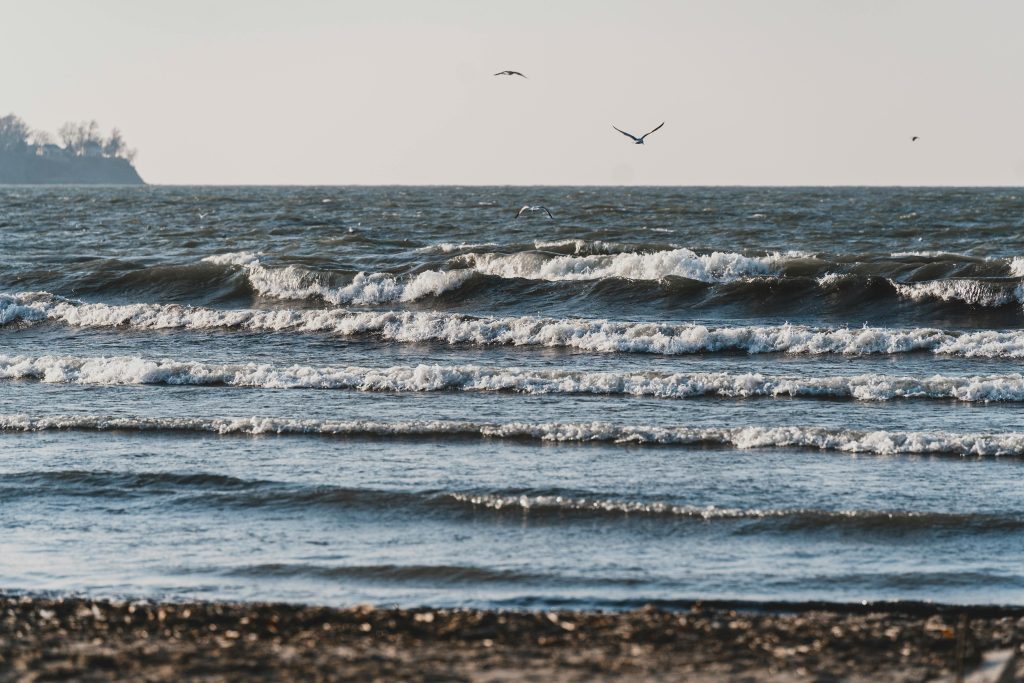
For many anglers, early morning is the prime window for Lake Erie Fishing. This is especially true for walleye and smallmouth bass.
Fish like walleye have excellent low-light vision and tend to feed more actively during dawn and dusk when they have an advantage over prey.
Because of this behavior, the hours around sunrise often produce aggressive feeding.
During the morning bite you will typically notice:
- Fish actively chasing baitfish in shallower water
- Cooler temperatures that keep fish active
- Less boat traffic disturbing the water
Many experienced anglers say the best action often occurs between sunrise and late morning, when fish are actively feeding after the night. Reports from Lake Erie anglers frequently highlight strong action between about 8 a.m. and 11 a.m. during the morning bite.
Another advantage is comfort. Summer afternoons on Lake Erie can become hot, while morning trips offer cooler air and calmer conditions. Morning fishing also benefits from the lake’s overnight calm. Overnight winds often settle the water and allow baitfish schools to regroup, which can trigger early feeding frenzies when the sun first rises.
The Advantages of Evening Fishing on Lake Erie
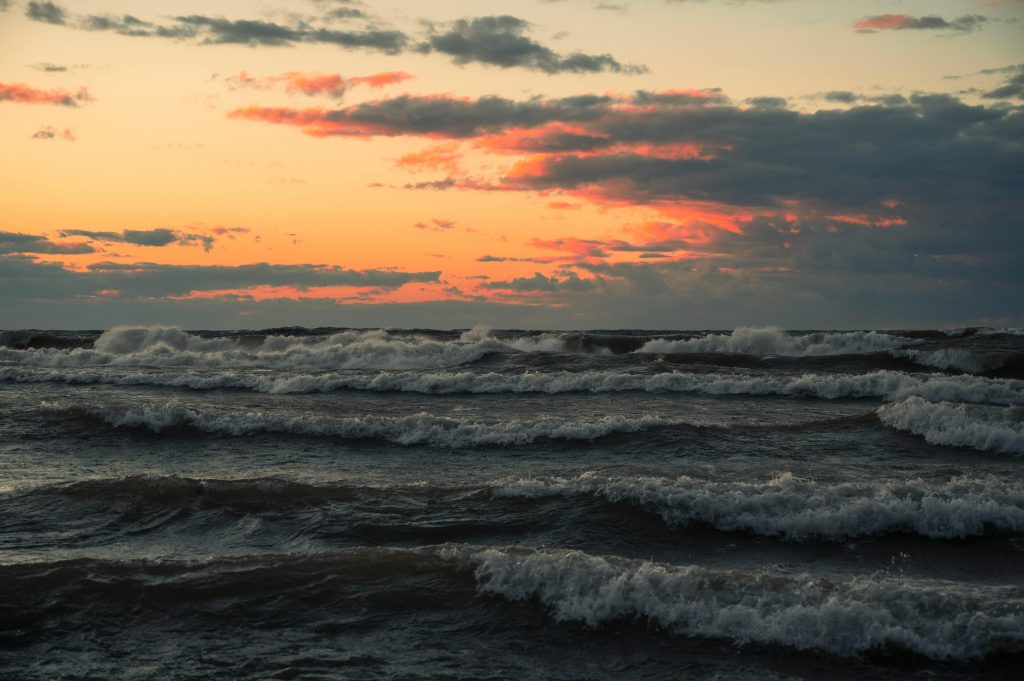
While morning trips are popular, evening Lake Erie Fishing can be extremely productive as well.
As the sun begins to drop, water temperatures cool slightly and light levels fall. This change often triggers another feeding window for predator fish such as walleye and bass.
Late afternoon and evening fishing offers several benefits:
- Less boat traffic on the water
- Cooler temperatures during hot summer days
- Increased feeding activity near sunset
- Opportunities to catch larger fish
Some anglers report that the bite often picks up again after 4 or 5 p.m., especially as sunset approaches.
In certain situations, evening fishing can even outperform mornings, particularly when:
- Heavy boat traffic disrupts fishing areas earlier in the day
- Wind creates “walleye chop” that stimulates feeding
- Fish move shallow to chase baitfish at dusk
Another interesting factor is nighttime fishing. During spring and fall, walleye may move into shallow water after dark to feed on baitfish. Evening fishing is often underestimated by casual anglers. Many charter captains notice that anglers who stay out late frequently upgrade their catches with larger fish feeding before dark.
What Happens During Midday Fishing?
Many anglers assume the middle of the day is a waste of time, but that is not always true.
Fish behavior changes as the sun rises higher. Bright light pushes many species deeper into the water column or closer to structure. Instead of feeding aggressively in shallow water, they may suspend or hold along drop-offs.
Midday strategies often include:
- Trolling deeper water
- Using electronics to locate suspended fish
- Slowing down presentations
Some experienced anglers report that midday can produce big fish, especially when targeting suspended walleye using trolling techniques. Midday fishing can actually be ideal for beginners on charter trips. Captains often rely on trolling patterns and electronics during this time, which allows anglers to cover large areas of water and stay on active fish.
How Season Changes the Best Time to Fish
The best time of day for Lake Erie Fishing also depends on the season.
During spring and early summer, fish are often shallower and may feed heavily during the morning hours. As the season progresses and water temperatures rise, fish often move deeper during the day.
For example:
- Spring: Morning jigging can be extremely productive in shallow areas.
- Summer: Fish move deeper and trolling becomes more common.
- Fall: Cooling water can trigger feeding activity throughout the day.
Seasonal conditions also influence fish behavior. Water temperature, baitfish movement, and weather patterns all affect when fish decide to feed. On Lake Erie specifically, the lake’s size means weather patterns can create feeding windows that override time of day. Wind direction and water clarity often matter just as much as sunrise or sunset.
Morning vs Evening Fishing: Quick Comparison
| Factor | Morning Fishing | Evening Fishing |
|---|---|---|
| Fish activity | Often aggressive after sunrise | Picks up again near sunset |
| Boat traffic | Usually lighter | Often decreases late in day |
| Temperature | Cooler conditions | Comfortable after hot days |
| Catch rates | Often higher early | Sometimes larger fish |
| Popularity | Most common charter time | Less crowded window |
More Fishing Articles
Living on Lake Erie: Why Waterfront Life Is So Appealing