
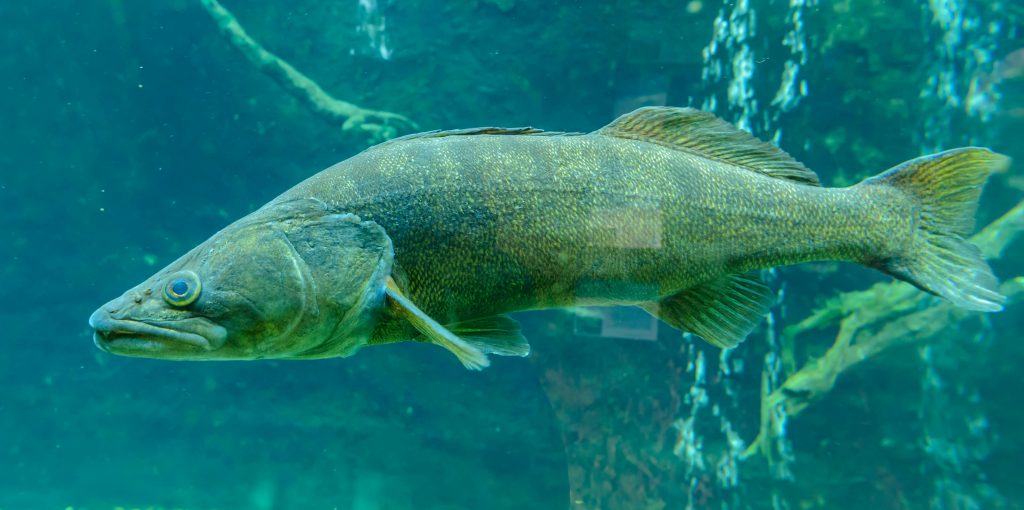
Lake Erie has earned a reputation as the “Walleye Capital of the World.” Every year, thousands of anglers travel from across the Midwest and beyond hoping to hook into one of these hard-fighting fish. But if you want to consistently catch fish, timing matters. Understanding the best months to fish walleye Lake Erie can dramatically increase your success.
Unlike some fisheries that are productive only during a narrow window, Lake Erie offers excellent walleye fishing through multiple seasons. Spring brings spawning runs and shallow water action. Summer delivers high catch rates with trolling and deep-water techniques. Fall can produce aggressive fish feeding before winter. Each season offers its own opportunities, patterns, and strategies.
Spring: March to May
Spring is one of the most exciting times of year for walleye Lake Erie fishing. As winter fades and water temperatures begin rising into the upper 30s and low 40s, walleye begin migrating toward spawning areas in the western basin of the lake. These migrations concentrate large numbers of fish into relatively small areas, which can create incredible fishing opportunities.
One of the most famous spring fishing events in the region is the Maumee River walleye run. Beginning in early March and typically peaking in early April, thousands of walleye move upriver to spawn when water temperatures reach roughly 40 degrees. Anglers line the riverbanks during this period because it offers one of the best shore fishing opportunities of the year.
But the rivers are only one part of the spring pattern. Many walleye spawn on reef complexes throughout the western basin near areas such as Port Clinton, the Bass Islands, and Sandusky Bay. These reef systems provide gravel and rocky structure that are ideal spawning habitats.
Anglers targeting spring fish commonly rely on jigging techniques using hair jigs, blade baits, or soft plastic lures. Fish are usually found in shallow water during this period, often ranging from six to sixteen feet deep. Because large female fish move shallow during spawning, spring can produce some of the biggest walleye of the entire season.
An interesting pattern many experienced anglers notice is that the best fishing often occurs just after spawning finishes. Post-spawn walleye move slightly deeper and begin feeding aggressively to recover from the spawning process.
Early Summer: June to July
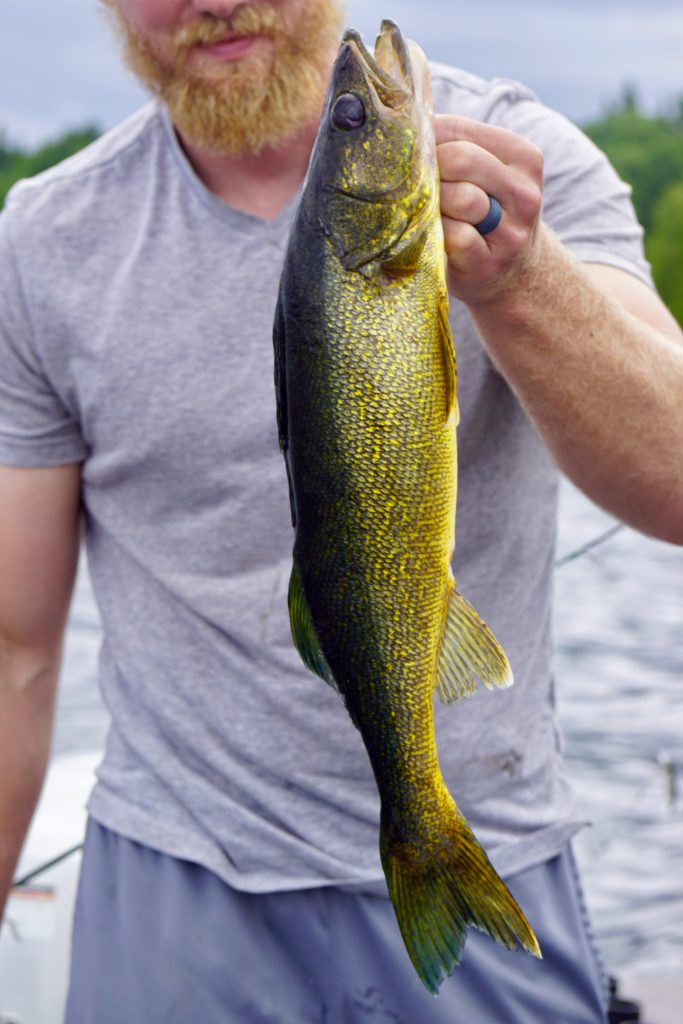
For many anglers and charter captains, early summer represents the most reliable period for walleye Lake Erie fishing. By June, spawning has finished and fish begin spreading out across the western and central basins while actively feeding on large schools of baitfish.
Warmer water temperatures and stable weather patterns make this time of year extremely productive. Instead of staying concentrated near reefs or rivers, walleye begin roaming open water following baitfish schools. Because of this behavior, trolling becomes the most effective technique for finding and catching fish.
Anglers frequently use crankbaits, spoons, and worm harness rigs while trolling across large sections of the lake. Planer boards and dipsy divers are commonly used to cover more water and present lures at different depths.
During June and July, walleye often hold anywhere from thirty to sixty feet deep, especially in the central basin. Fish tend to suspend in the water column near baitfish, which is why modern electronics and sonar play such an important role in locating them.
One of the biggest advantages of summer fishing is consistency. While trophy fish can be caught in any season, June and July often produce the highest catch rates of the year. This is why many Lake Erie charter operations schedule the majority of their trips during these months.
Another unique aspect of summer fishing is how mobile the fish become. Instead of focusing on specific structures, successful anglers focus on tracking bait schools and water temperature changes. Wherever the baitfish move, the walleye are usually close behind.
Late Summer: August
August continues to offer excellent opportunities for walleye Lake Erie fishing, although the patterns begin to shift slightly. By this point in the year, water temperatures reach their warmest levels and many walleye move deeper into the central basin of the lake.
Fish often suspend near thermoclines and baitfish schools in deeper water, which makes trolling the most effective technique during this time. Anglers frequently rely on lead core lines, dipsy divers, and deep-running crankbaits to reach fish holding farther below the surface.
One of the challenges of late summer fishing is that walleye can become widely scattered across open water. Instead of relating to specific structures like reefs or rock piles, fish often roam large areas following baitfish. This means anglers sometimes need to spend more time searching before they locate active schools.
Wind direction becomes an important factor during this period. Strong winds can push baitfish and nutrients across the lake, which can shift walleye schools into entirely new locations overnight. Anglers who pay attention to weather patterns often locate fish more quickly.
Despite these challenges, August can still produce excellent catches. Once a school of fish is located, anglers often experience steady action and have a good chance of reaching their daily limits.
Fall: September to October
Fall is sometimes overlooked when discussing walleye Lake Erie fishing, but it can be one of the most rewarding seasons for experienced anglers. As temperatures begin to cool in September, walleye gradually migrate back toward the western basin and begin feeding aggressively in preparation for winter.
This increased feeding activity can make fish more aggressive and willing to strike a variety of lures. Another advantage of fall fishing is that boat traffic and fishing pressure are much lower compared to the busy summer months.
During this season, walleye often move closer to structure such as rocky points, reefs, and drop-offs where baitfish gather. Crankbaits and spoons remain popular choices, although many anglers also return to jigging presentations when targeting fish near structure.
Fall fishing often rewards anglers who slow down their presentations and focus on areas where baitfish are concentrated. Many anglers report catching some of the largest fish of the year during September and October as walleye bulk up before winter.
Seasonal Summary: Best Months at a Glance
| Month | Fishing Quality | Notes |
|---|---|---|
| March | Good | Pre-spawn river fishing |
| April | Excellent | Peak spawning runs |
| May | Excellent | Post-spawn shallow bite |
| June | Excellent | Start of summer trolling |
| July | Peak | Highest catch rates |
| August | Very Good | Large schools offshore |
| September | Very Good | Aggressive feeding |
| October | Good | Trophy fish opportunities |
More Fishing Articles
Best Small Towns for Lake Erie Fishing Trips
Morning vs Evening Lake Erie Fishing
Live Bait vs Artificial Lures: What Works Best for Lake Erie Walleye Fishing